

What is it?
Lipofilling, also known as fat grafting or fat transfer, is a popular surgical procedure used to improve body contours, fill depressions or rejuvenate certain areas of the body. It involves extracting fat from one area of the body, purifying it, and then re-injecting it into another area to enhance volume or shape.
When is it indicated?
Men might seek lipofilling of the pectoral and deltoid area to enhance the masculine appearance of the upper body. Indications for this procedure include:
- Desire for enhanced aesthetics: Men who desire a more muscular, defined look in the chest and shoulders, especially if these areas are resistant to enhancement through exercise and diet alone;
- Asymmetry correction: Lipofilling can be used to correct asymmetry in the chest and shoulders, whether congenital or due to injury;
How is the procedure performed?
The lipofilling procedure involves three main steps: harvesting, processing, and re-injection of fat.
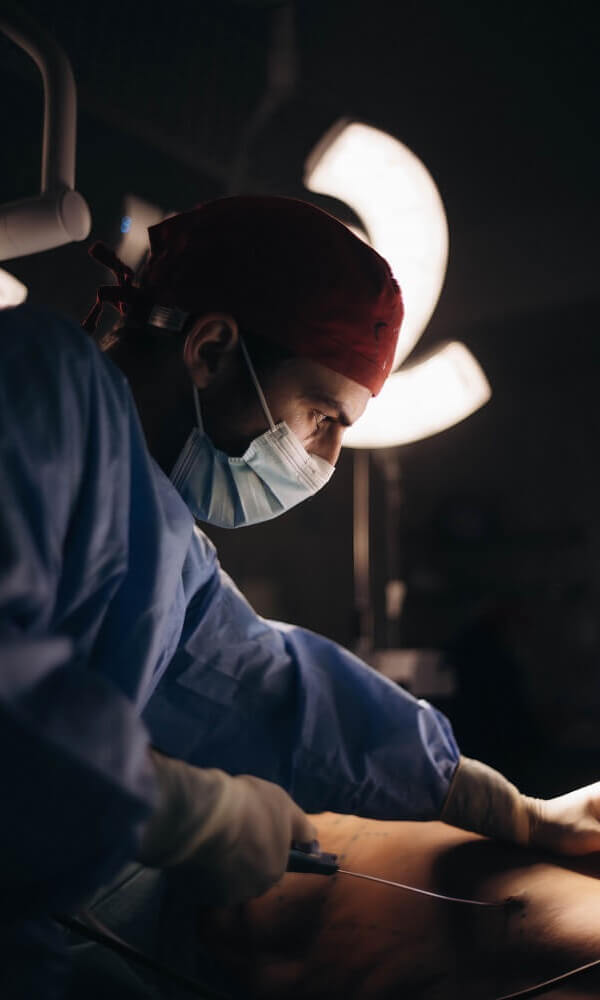
Fat is typically harvested from areas of the body where it is plentiful, such as the abdomen, hips, or thighs. The extraction is done using a small cannula with the incisions placed in inconspicuous areas. The harvested fat is then processed to remove impurities, excess fluids and damaged fat cells. The processed fat is then carefully re-injected into the desired areas, in this case, the pectoral and deltoid muscles. The surgeon uses precise, layered injections to achieve a natural-looking increase in volume and definition.
Can it be combined with other surgeries?
Lipofilling can be combined with other plastic surgery procedures as part of a more comprehensive body contouring plan. For example, it could be performed alongside gynecomastia surgery or alongside procedures such as abdominoplasty or bodysculpting surgery.